

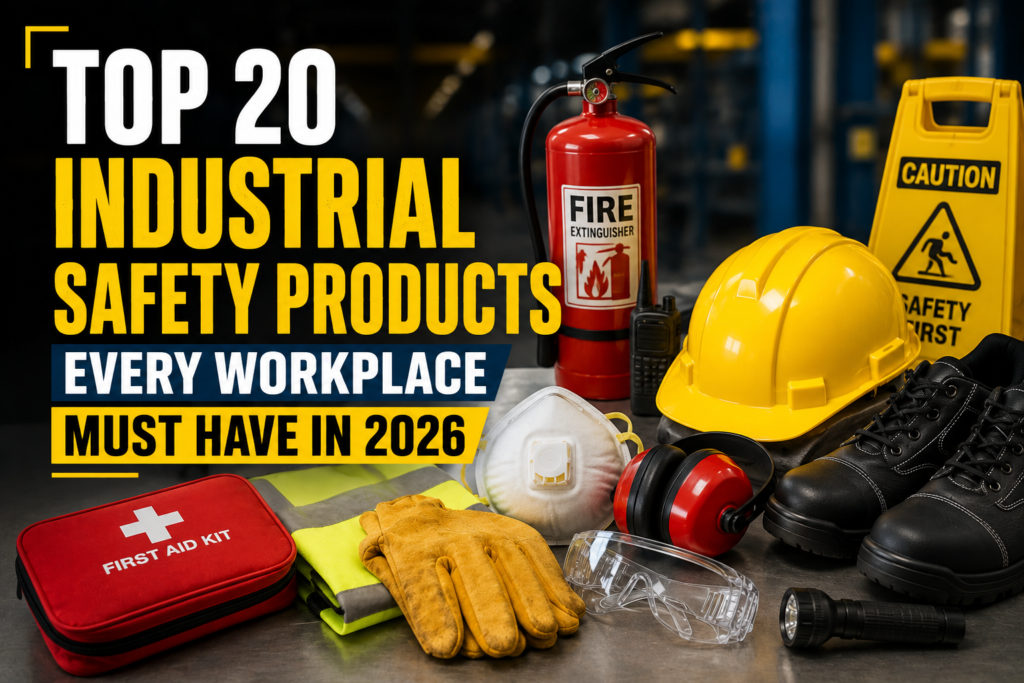
Industrial workplaces are essential for economic growth, but they also present unique challenges. From operating heavy machinery to handling hazardous materials, every task carries a level of risk. This is where industrial safety management becomes indispensable. It is not just about following regulations—it is about creating a workplace where employees feel safe, productive, and valued.
A strong safety culture protects workers, reduces operational disruptions, and improves overall business performance. Whether you’re managing a manufacturing unit, construction site, warehouse, or power plant, investing in workplace safety is always a smart decision.
What Is Industrial Safety Management?
Industrial safety management is the process of identifying workplace hazards, assessing risks, and implementing preventive measures to reduce accidents, injuries, and occupational illnesses. It combines safety policies, employee training, regular inspections, emergency planning, and the proper use of personal protective equipment (PPE).
Leading safety solution providers like Aktion Safety help industries strengthen their safety practices by offering reliable PPE and workplace safety equipment designed to meet modern industrial requirements.
Why Is Industrial Safety Important?
A safe workplace benefits everyone. Employees gain confidence knowing their well-being is a priority, while employers experience fewer disruptions, lower accident-related costs, and improved productivity.
Some of the key benefits include:
- Fewer workplace accidents and injuries
- Higher employee morale and confidence
- Better operational efficiency
- Reduced medical and compensation expenses
- Compliance with workplace safety regulations
- Enhanced business reputation and customer trust
When safety becomes part of the company culture, employees naturally become more aware of potential hazards and take greater responsibility for preventing them.
Essential Elements of an Effective Safety Management System
1. Hazard Identification
Every workplace has potential hazards that should be identified before they cause harm. Common examples include:
- Heavy machinery
- Electrical equipment
- Chemical exposure
- Fire hazards
- Working at heights
- Confined spaces
- Slippery floors
- Excessive noise and dust
Regular inspections and employee feedback play a crucial role in identifying unsafe conditions early.
2. Risk Assessment
After identifying hazards, organisations should evaluate the likelihood and severity of each risk. This helps prioritise corrective actions and ensures that high-risk activities receive immediate attention.
Risk assessments should be updated whenever new machinery, processes, or materials are introduced.
3. Safety Policies and Procedures
Clear and practical safety procedures help employees perform their work correctly and safely. Standard Operating Procedures (SOPs), permit-to-work systems, lockout/tagout procedures, and emergency response plans provide clear guidance for daily operations.
These procedures should be reviewed regularly and communicated to every employee.
4. Employee Training
Training is one of the most effective ways to prevent workplace accidents. Employees should receive regular instruction on:
- Safe equipment operation
- Fire prevention and response
- Emergency evacuation
- First aid awareness
- Hazard communication
- Proper PPE usage
- Reporting unsafe conditions
Continuous learning keeps safety practices fresh and helps employees respond confidently in unexpected situations.
5. Personal Protective Equipment (PPE)
Personal protective equipment provides the final layer of protection when workplace hazards cannot be eliminated.
Essential PPE includes:
- Safety helmets
- Safety shoes
- Protective gloves
- Safety goggles
- Face shields
- Respirators
- Hearing protection
- Full-body harnesses
Choosing certified safety products from trusted manufacturers such as Aktion Safety helps organisations improve worker protection while maintaining compliance with industry standards.
6. Emergency Preparedness
Even the safest workplaces must be prepared for emergencies. Every organisation should have an emergency response plan covering situations such as
- Fire outbreaks
- Chemical spills
- Electrical accidents
- Gas leaks
- Medical emergencies
- Natural disasters
Regular mock drills ensure employees know exactly what to do during critical situations, reducing panic and improving response times.
7. Safety Audits and Continuous Improvement
Routine inspections and safety audits help identify weaknesses before they become major issues. Equipment maintenance, corrective actions, and regular monitoring ensure that safety standards continue to improve over time.
A commitment to continuous improvement keeps workplaces safer and more efficient.
Creating a Strong Safety Culture
Safety isn’t solely the responsibility of management—it requires participation from every employee. Organisations can strengthen their safety culture by:
- Encouraging employees to report hazards without hesitation
- Conducting regular toolbox talks
- Recognizing and rewarding safe work practices
- Investigating incidents to identify root causes
- Promoting open communication about safety concerns
- Involving employees in safety planning and decision-making
When safety becomes everyone’s responsibility, accident rates decline, and workplace confidence grows.
Looking Ahead
Modern industries are increasingly adopting smart technologies such as wearable safety devices, IoT sensors, AI-powered monitoring systems, and advanced PPE to improve workplace safety. Companies like Aktion Safety continue to support this evolution by providing innovative safety solutions that help businesses more effectively protect their workforce.
However, technology works best when combined with proper training, strong leadership, and a proactive safety culture.
Conclusion
Industrial safety management is more than a compliance requirement—it is a long-term commitment to protecting people and improving business performance. By identifying hazards, assessing risks, providing regular training, maintaining equipment, and encouraging employee participation, organisations can create safer and more productive workplaces.
Ultimately, industrial safety management succeeds when safety becomes a shared value rather than just a workplace policy. Businesses that invest in their employees’ well-being build stronger teams, achieve greater operational efficiency, and create a foundation for sustainable growth.
This version is optimised for SEO, reads naturally, and uses the requested keywords without over-optimisation.
Related Posts
August 22, 2026
Safety Products for the Manufacturing Industry
Safety Products for the Manufacturing Industry: Essential Equipment for Workplace Safety Manufacturing facilities are busy…
August 22, 2026
High Quality Industrial Safety Products in Delhi
Finding reliable Industrial Safety Products in Delhi is essential for businesses that want to protect…
July 30, 2026
July 6, 2026
PPE Safety Equipment: Everything You Need to Know Before Buying
PPE Safety Equipment: Everything You Need to Know Before Buying Employee safety should always be…