


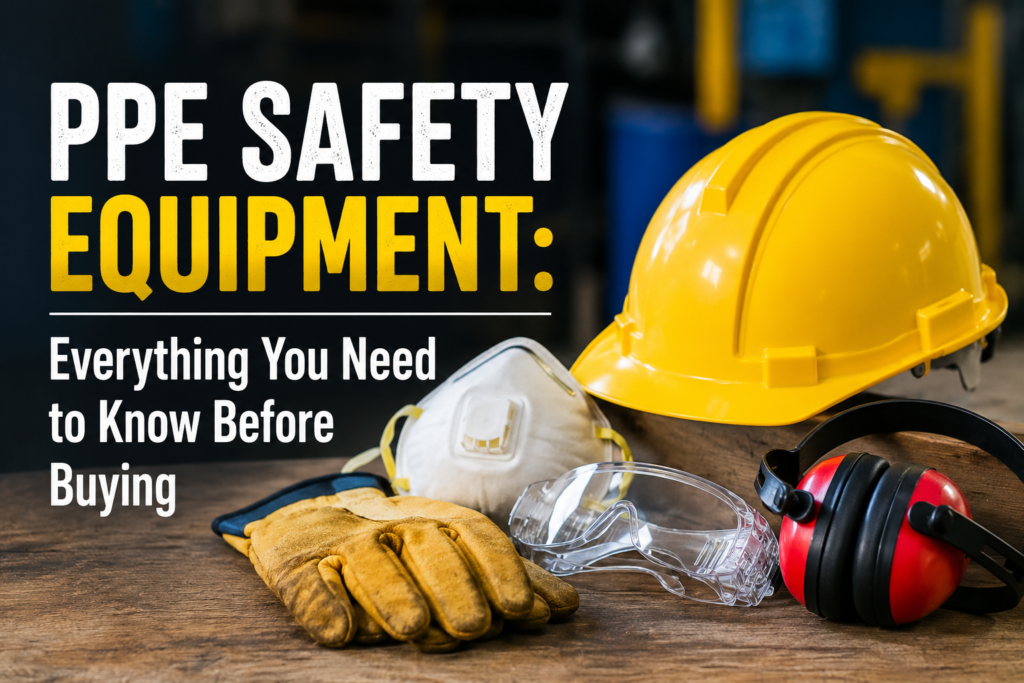
PPE Safety Equipment: Everything You Need to Know Before Buying
Employee safety should always be a top priority in every workplace. Whether you work in construction, healthcare, manufacturing, chemical industries, or warehouses, using the right PPE Safety Equipment is essential for reducing workplace hazards and ensuring compliance with safety regulations. Investing in quality protective gear not only safeguards workers but also helps businesses avoid costly accidents and downtime.
Before purchasing protective equipment, it’s important to understand the different types available, their intended purpose, and the quality standards they meet. This guide will help you make an informed buying decision.
What is PPE Safety Equipment?
PPE Safety Equipment refers to Personal Protective Equipment designed to protect workers from physical, chemical, biological, electrical, and mechanical hazards. These safety products act as the last line of defense when engineering controls and administrative measures cannot completely eliminate workplace risks.
Every industry has unique safety requirements, making it crucial to select equipment that matches the specific working environment.
Types of PPE Safety Equipment
Different workplaces require different protective gear. Some of the most common PPE products include:
1. Head Protection
Safety helmets and hard hats protect workers from falling objects, impact injuries, and electrical hazards. They are commonly used on construction sites and industrial facilities.
2. Eye and Face Protection
Safety goggles, face shields, and protective glasses safeguard workers against flying particles, sparks, chemicals, and harmful radiation.
3. Respiratory Protection
Respirators and face masks help prevent inhalation of dust, fumes, toxic gases, and airborne contaminants, making them essential in chemical plants and healthcare environments.
4. Hand Protection
Protective gloves are available in various materials such as nitrile, latex, leather, and cut-resistant fabrics to protect against chemicals, sharp objects, heat, and electrical risks.
5. Foot Protection
Safety shoes and boots with steel toes provide protection against heavy impacts, punctures, slips, and electrical hazards.
6. Hearing Protection
Earplugs and earmuffs reduce exposure to high noise levels commonly found in manufacturing plants and construction sites.
7. Body Protection
Protective clothing, coveralls, reflective jackets, and chemical-resistant suits help minimize exposure to hazardous materials and environmental risks.
Factors to Consider Before Buying PPE Safety Equipment
Selecting the right PPE Safety Equipment requires careful evaluation of several factors.
Workplace Hazard Assessment
Identify the potential risks employees face daily. This helps determine the exact type of protective equipment required for maximum safety.
Quality and Certification
Always choose products that comply with recognized national or international safety standards. Certified PPE ensures reliable protection and long-lasting performance.
Comfort and Proper Fit
Workers are more likely to wear PPE consistently when it fits properly and feels comfortable. Poorly fitted equipment can reduce protection and affect productivity.
Durability
High-quality materials provide better resistance against wear, chemicals, heat, and impact. Durable products also reduce replacement costs over time.
Ease of Maintenance
Choose PPE that is easy to clean, inspect, and replace when necessary. Regular maintenance helps extend product life while maintaining safety performance.
Benefits of Using Quality PPE Safety Equipment
Using premium PPE Safety Equipment offers numerous advantages for both employers and employees.
- Reduces workplace accidents and injuries
- Improves employee confidence and productivity
- Ensures compliance with workplace safety regulations
- Minimizes operational downtime caused by accidents
- Protects businesses from legal liabilities and financial losses
- Creates a safer working environment
Investing in reliable protective equipment is always more cost-effective than dealing with workplace incidents.
Common Mistakes to Avoid
Many organizations unknowingly compromise worker safety by making avoidable mistakes, including:
- Purchasing low-quality protective gear solely based on price
- Ignoring product certifications and safety standards
- Selecting incorrect sizes for employees
- Failing to train workers on proper PPE usage
- Not replacing damaged or expired equipment
- Neglecting regular inspections and maintenance
Avoiding these mistakes helps maximize workplace safety and equipment effectiveness.
How to Choose the Right Supplier
Choosing a trusted supplier is just as important as selecting the right equipment. Look for companies that offer:
- Certified safety products
- Wide product selection
- Industry expertise
- Competitive pricing
- Reliable customer support
- Fast delivery and after-sales service
A reputable supplier will also help you choose products that meet your industry’s specific safety requirements.
Conclusion
Choosing the right PPE Safety Equipment is an investment in workplace safety, employee well-being, and business continuity. By understanding workplace hazards, selecting certified products, ensuring proper fit, and partnering with reliable suppliers, organizations can significantly reduce risks and maintain a safe working environment.
Before making your purchase, always evaluate product quality, compliance standards, durability, and employee comfort. The right protective equipment not only protects lives but also contributes to greater productivity and long-term operational success.
Related Posts
August 22, 2026
Safety Products for the Manufacturing Industry
Safety Products for the Manufacturing Industry: Essential Equipment for Workplace Safety Manufacturing facilities are busy…
August 22, 2026
High Quality Industrial Safety Products in Delhi
Finding reliable Industrial Safety Products in Delhi is essential for businesses that want to protect…
July 30, 2026
July 6, 2026
Industrial Safety Equipment Checklist for Factories and Construction Sites
Industrial Safety Equipment Checklist for Factories and Construction Sites Workplace safety is one of the…